
Indian Ringneck For Sale
Indian Ringneck For Sale: Complete Guide to Buying Your Perfect Parakeet in 2025
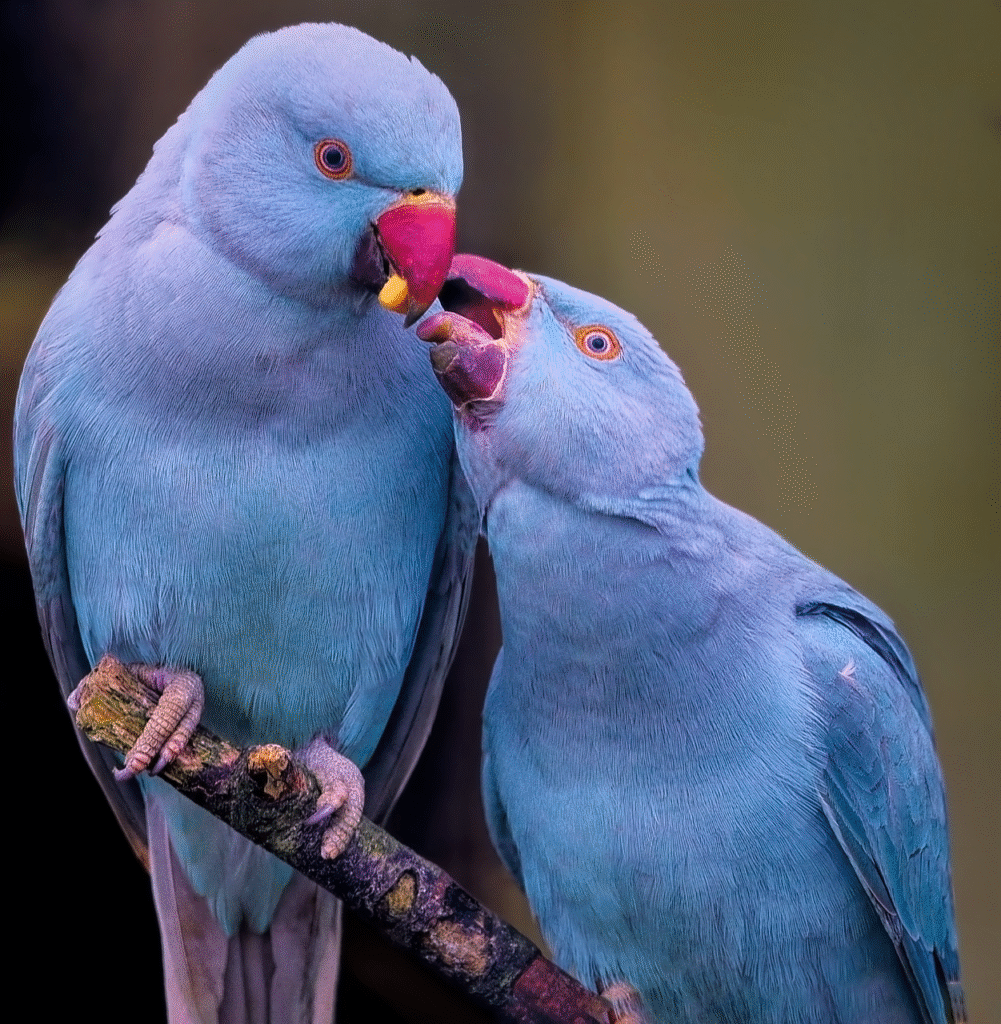
Are you searching for an “Indian Ringneck for sale” that combines stunning beauty, exceptional talking ability, and a vibrant personality? The Indian Ringneck Parakeet (Psittacula krameri), also known as the Rose-ringed Parakeet, is one of the most sought-after companion birds worldwide — and for good reason.
With their brilliant emerald green feathers, signature rose-colored neck ring (in mature males), and remarkable vocabulary skills, these medium-sized parrots have captured the hearts of bird lovers everywhere.
If you’re ready to welcome an Indian Ringneck into your home, this comprehensive 1200+ word guide covers everything you need to know before making your purchase — from pricing and color mutations to health, training, and finding reputable sellers.
Why Indian Ringnecks Are So Popular in 2025
Indian Ringnecks consistently rank among the top 5 most desired pet parrots, especially in the United States, Canada, UK, and Australia. Their popularity has surged in recent years due to:
- Exceptional talking ability (many develop vocabularies of 200–500+ words)
- Long lifespan (25–35 years with proper care)
- Playful, clown-like personality
- Stunning visual appeal with over 20 recognized color mutations
- Moderate size (14–17 inches including tail) — perfect for apartments
Unlike many parrots, Ringnecks are known for clear, human-like speech and can even learn to whistle entire songs or mimic household sounds with startling accuracy.
Current Price Range: Indian Ringneck For Sale in 2025
Prices vary significantly based on age, color mutation, tameness, and talking ability:
- Normal Green (wild-type): $400 – $800
- Hand-raised babies (weaned & friendly): $600 – $1,200
- Blue mutation: $800 – $1,800
- Lutino, Albino, or Turquoise: $1,200 – $2,500
- Violet, Cinnamon, or Cleartail: $1,500 – $3,500
- Proven breeding pairs: $2,000 – $6,000+
- DNA-sexed, fully talking adults: $1,500 – $4,000
Rare mutations like Violet Turquoise, Lacewing, or Dark Factor combinations can exceed $5,000 from specialty breeders.
Most Popular Color Mutations in 2025
The Indian Ringneck world has exploded with breathtaking color variations. Here are the hottest mutations currently available:
- Blue Indian Ringneck – Powder blue body with white head (no green pigment)
- Turquoise – Stunning seafoam/teal coloring
- Violet – Deep purple-blue, highly prized
- Lutino – Bright yellow with red eyes and orange beak
- Albino – Pure white with red eyes
- Cinnamon – Soft brownish-green tones
- Pied – Patchy coloration, each bird uniquely patterned
- Grey-Green – Elegant silver-green appearance
- Creamino – Creamy yellow with subtle peach tones
Many breeders are now producing double-factor and combination mutations (e.g., Violet Turquoise Cleartail) that command premium prices.
Hand-Raised vs Breeder-Raised: Which Should You Choose?
When searching “Indian Ringneck for sale,” you’ll encounter two main types:
Hand-raised babies (8–16 weeks old):
✓ Extremely tame and bonded to humans
✓ Easier to train and teach talking
✓ Make the best pets
✓ Higher price point
Parent-raised or aviary birds:
✗ Often fearful of humans initially
✗ Require significant taming effort
✗ Usually cheaper
✗ Better for experienced owners or breeding
For 95% of pet buyers, a hand-raised Indian Ringneck baby is the best choice.
How to Find a Reputable Indian Ringneck Breeder
Avoid pet stores and online marketplaces when possible. The best Indian Ringnecks come from dedicated breeders who:
- Hand-feed babies from 2–3 weeks old
- Provide health guarantees (30–90 days)
- Test for Psittacosis, PBFD, and Polyomavirus
- Allow you to visit and interact with babies
- Offer ongoing support after purchase
- DNA-sex their birds (Ringnecks are sexually dimorphic after 18–36 months)
Look for breeders registered with organizations like:
- American Federation of Aviculture (AFA)
- Avicultural Society of America
- Local bird clubs and mart networks
What to Look for When Buying Your Indian Ringneck
Healthy Indian Ringneck babies should have:
- Bright, clear eyes (no discharge)
- Clean vent area (no fecal staining)
- Smooth, glossy feathers
- Active and alert behavior
- Good weight and muscle tone
- No nasal discharge or tail bobbing
Ask to see the parents if possible — this gives insight into potential size, coloration, and temperament of your baby.
Setting Up the Perfect Home: Cage and Supplies
Your new Indian Ringneck will need:
Cage requirements:
- Minimum: 24″ W x 24″ D x 36″ H
- Recommended: 32″ W x 23″ D x 60″ H or larger
- Bar spacing: 5/8″ to 3/4″
- Horizontal bars for climbing
Essential supplies:
- Variety of perch diameters (natural wood preferred)
- Multiple food/water dishes
- Quality pellet diet (Harrison’s, Roudybush, or Tops)
- Fresh fruits/vegetables daily
- Cuttlebone and mineral block
- Variety of safe toys (bells, ropes, foraging toys)
- Full-spectrum UVB lighting
Budget $400–$800 for proper initial setup.
Training Your Indian Ringneck to Talk
Ringnecks are language superstars, but success depends on:
- Starting young (under 6 months ideal)
- Daily interaction (minimum 1–2 hours)
- Clear, repetitive speech in excited tone
- Associating words with actions/objects
- Patience — first words often appear 6–12 months
Popular first words: “Hello,” “Step up,” bird’s name, “I love you”
Many Ringnecks develop extensive vocabularies and contextual understanding by age 2–3 years.
Common Health Issues and Prevention
With proper care, Indian Ringnecks are hardy birds. Watch for:
- Psittacosis (Chlamydia psittaci)
- Aspergillosis (fungal respiratory infection)
- PBFD (Psittacine Beak and Feather Disease)
- Obesity from seed-only diets
- Feather plucking (usually stress-related)
Annual veterinary exams with an avian specialist are crucial.
Is an Indian Ringneck Right for You?
These parrots are best suited for:
- Experienced bird owners or dedicated beginners
- Homes with time for daily interaction
- Households that can tolerate noise (Ringnecks can be loud!)
- People seeking a long-term companion (30+ years)
Not recommended for:
- Very young children
- Extremely noise-sensitive households
- People away from home 10+ hours daily
- Those wanting a “cuddle bug” (Ringnecks bond strongly but many dislike heavy petting)
Where to Find Indian Ringneck For Sale Near You
Reputable sources include:
- Local avian veterinarians (often know trusted breeders)
- Bird marts and expos
- Specialized Facebook groups (with careful vetting)
- Dedicated breeder websites
- Rescue organizations (for rehomed adults)
Always prioritize ethical breeders over volume sellers.
Final Thoughts: Your Dream Indian Ringneck Awaits
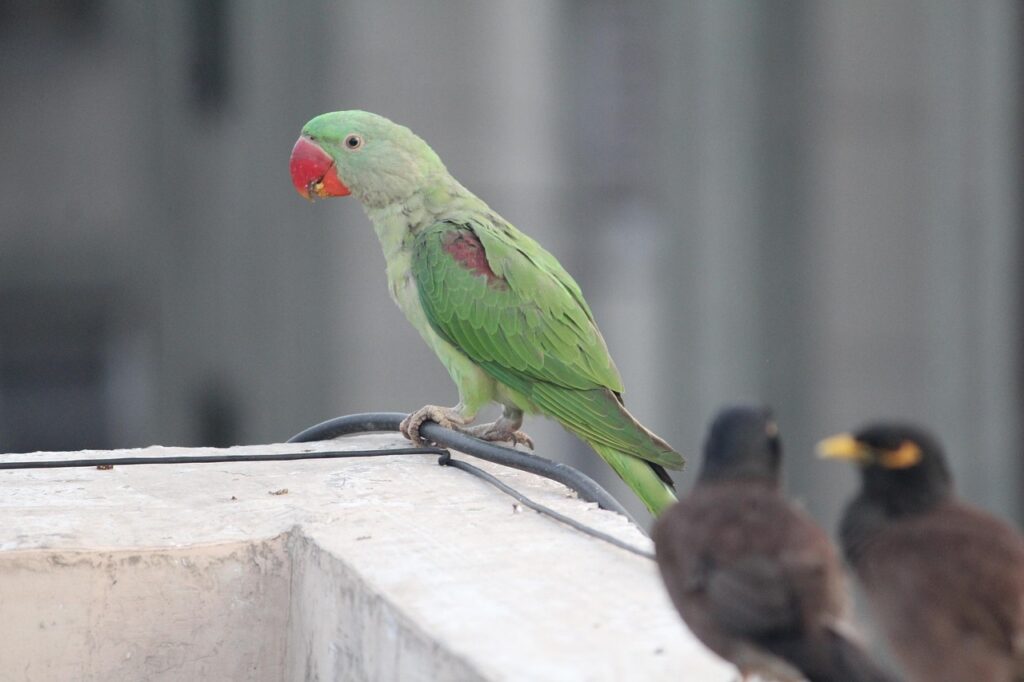
An Indian Ringneck Parakeet can bring decades of joy, laughter, and companionship into your life. Their intelligence, beauty, and talking ability make them truly special companions. While the initial investment is significant, the reward of sharing your life with one of nature’s most charismatic parrots is priceless.
Ready to find your perfect Indian Ringneck for sale? Visit https://bytepoint.site today to explore available babies, proven breeders, and exclusive color mutations. With proper research and preparation, you’ll soon be welcoming home one of the world’s most extraordinary companion birds.
Whether you’re drawn to the classic emerald green or the rarest violet mutation, your ideal Indian Ringneck is waiting. Start your journey today — these remarkable parrots form bonds that last a lifetime.