
Is It Bad to Shake Breast Milk
Is It Bad to Shake Breast Milk? The Truth About Mixing Expressed Breast Milk

Every new parent has heard conflicting advice about handling breast milk. One of the most common questions lactation consultants and pediatricians get is: “Is it bad to shake breast milk?”
The short answer is no — shaking breast milk is not inherently bad or dangerous, but there is a preferred method that protects its nutritional and immunological value.
In this article, we’ll break down the science, separate myth from fact, and give you clear guidelines so you can handle expressed breast milk with confidence.
Why the “Don’t Shake” Myth Exists
The idea that you should never shake breast milk started decades ago when people noticed that vigorous shaking creates a lot of foam and tiny bubbles. Many assumed these bubbles would:
- “Denature” or destroy delicate proteins
- Damage live immune cells (like leukocytes and stem cells)
- Break apart the fat globules, making the milk separate permanently
Because breast milk is a living fluid packed with antibodies, enzymes, lactoferrin, oligosaccharides, and healthy fats, parents understandably became terrified of “ruining” it.
What Science Actually Says About Shaking vs Swirling
Multiple studies and major health organizations have investigated this exact question. Here are the key findings:
- Fat separation is normal and reversible
Breast milk naturally separates into a cream layer and a thinner layer. Shaking incorporates the fat back in just like swirling does. There is no evidence that shaking causes irreversible damage to fat globules in human milk (unlike cow’s milk processing, which uses extreme homogenization). - Live cells and immune factors survive shaking
A 2019 study published in Breastfeeding Medicine tested vigorous shaking (60 seconds in a mechanical shaker) versus gentle swirling. Researchers found no significant difference in leukocyte viability, immunoglobulin A (IgA), lysozyme activity, or lactoferrin concentration. - Antioxidant capacity is unaffected
Another 2021 study in Journal of Perinatology measured total antioxidant capacity before and after shaking. Again, no meaningful loss. - Official guidelines from trusted authorities
- Centers for Disease Control and Prevention (CDC): “After warming, gently swirl the breast milk to mix the fat. You may also shake it gently if needed.”
- La Leche League International: “Shaking is not harmful, but swirling is gentler and reduces foaming.”
- Academy of Breastfeeding Medicine (ABM): Does NOT list shaking as a practice to avoid.
So When Is Swirling Still Preferred?
Even though shaking is safe, most lactation experts still recommend gentle swirling for three practical reasons:
- Less foam and air incorporation
Excessive foam can make some babies gassy or cause them to take in extra air during feeding, especially with fast-flow bottles. - Aesthetic reasons
Heavy foam can look alarming to parents and caregivers even when it’s harmless. - Habit and tradition
Swirling has been the standard teaching method for decades, so many professionals default to it.
Real-World Scenarios: When Shaking Is Actually Fine (or Even Helpful)
- You’re in a rush at 3 a.m. and just need the cream mixed back in quickly → a few gentle shakes won’t hurt anything.
- Milk has been refrigerated for days and the fat layer is stubborn → a slightly firmer shake often mixes it faster than endless swirling.
- You’re combining milk from different pumping sessions stored in the same bag → shaking ensures even fat distribution.
What Actually Does Damage Breast Milk?
If you want to protect the precious components of your liquid gold, focus on these evidence-based threats instead of worrying about shaking:
- High-heat warming (microwaving or boiling) → destroys immune factors
- Leaving milk at room temperature longer than 4 hours → bacterial growth
- Repeated freeze-thaw cycles → gradual loss of antioxidants and vitamins
- Exposure to strong light (especially direct sunlight) → degrades riboflavin and vitamin C
- Using very hot water to thaw → same damage as microwaving
Step-by-Step Best Practice for Mixing Breast Milk
Here’s the method most lactation consultants teach:
- After refrigerating or thawing, let the bag or bottle sit for a few minutes so the fat rises.
- Gently swirl in a circular motion (think painting with a paintbrush, not stirring coffee).
- If the cream is very thick and won’t mix, you can gently shake or turn the bottle upside down a few times.
- Check temperature on your wrist before feeding.
Special Cases
- High-lipase milk (milk that smells soapy after storage): Shaking doesn’t make lipase activity worse. Scalding before freezing is still the only solution.
- Fortified milk (with HMF or high-calorie additives in the NICU): Follow hospital protocol — some units do mechanically shake fortified milk without issues.
- Oversupply + very creamy hindmilk: A few seconds of shaking can actually help distribute that rich hindmilk more evenly for combination feedings.
Bottom Line: Stop Stressing About Shaking
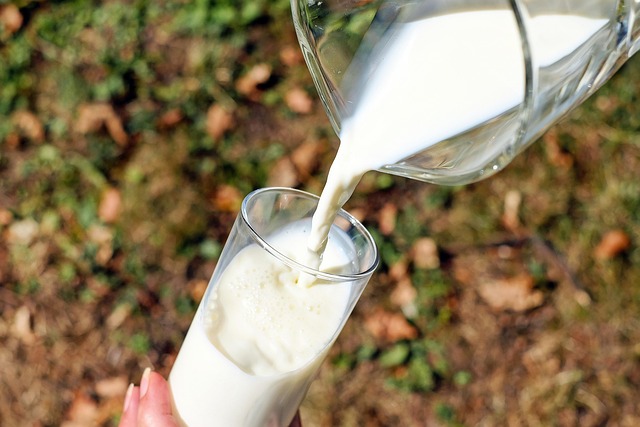
Shaking breast milk is not bad and will not destroy its nutritional or immunological properties. The “never shake” advice is an outdated myth that has been debunked by modern research. Gentle swirling remains the gentlest option and reduces foaming, but if you shake gently when you’re tired or in a hurry, your baby will still get all the amazing benefits of your milk.
Focus your energy on proper storage temperatures, safe thawing methods, and good hygiene — those actually make a measurable difference.
Your breast milk is incredibly resilient. A few bubbles from shaking won’t undo the miracle you’ve created.
Sources & Further Reading
- Torrejón et al. (2019). Effect of shaking on the viability of immune cells in human milk. Breastfeeding Medicine.
- Boo NY et al. (2021). Impact of agitation on antioxidant capacity. Journal of Perinatology.
- CDC: Proper Storage and Preparation of Breast Milk (cdc.gov)
- Academy of Breastfeeding Medicine Clinical Protocols
This article is originally published on https://bytepoint.site — your trusted resource for evidence-based parenting and breastfeeding information.